We collected Douglas fir cones by hand this winter
A small crew gathered cones from 80 parent trees chosen for how they handled the last two droughts. The seed will grow the trees we plant in 2028.
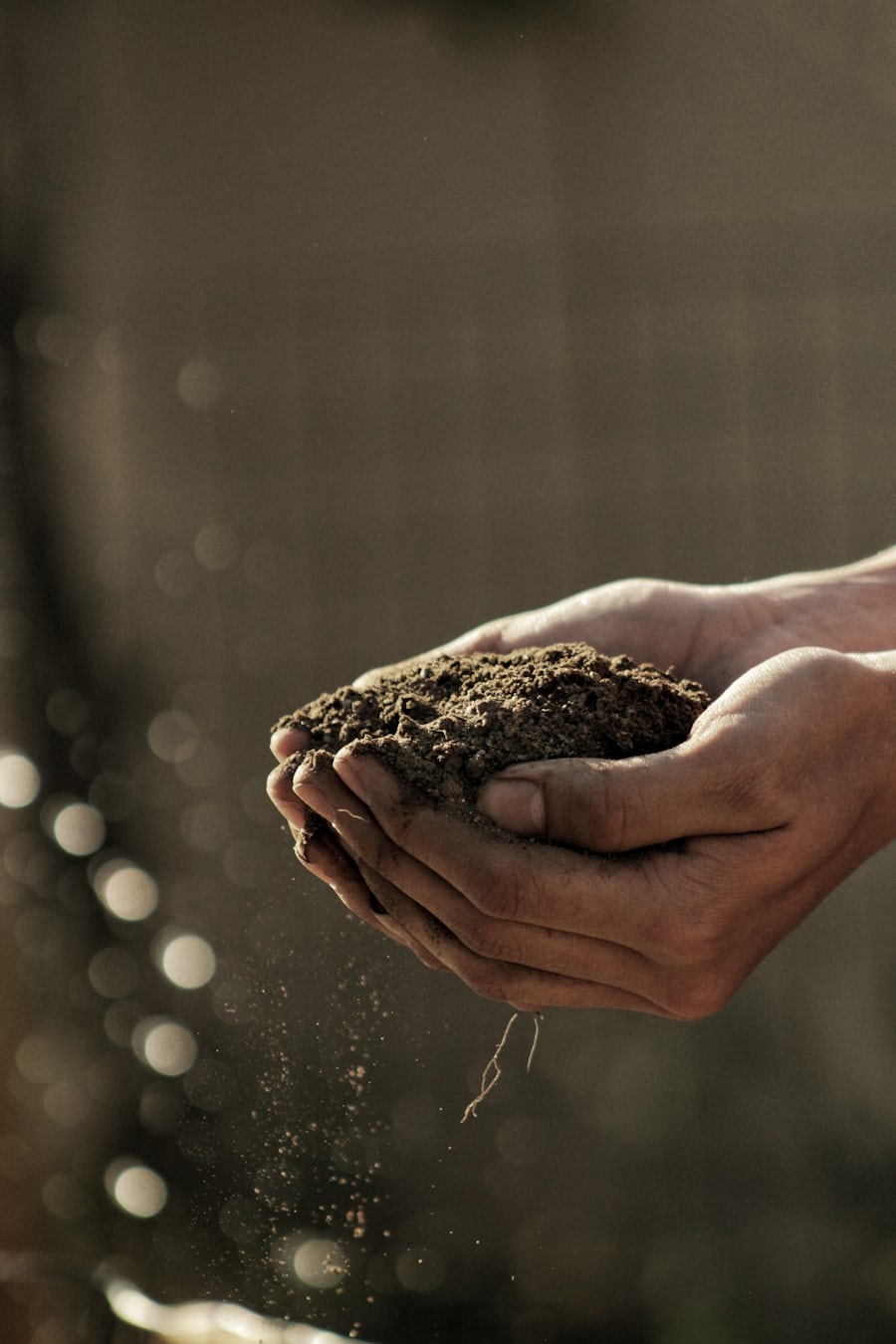
Where the seed comes from decides, more than almost anything we do, whether a forest can take the climate it will actually grow up in. A Douglas fir grown from seed off a sheltered, well-watered valley tree may not cope with a ridge that bakes every August. So this winter a small crew gathered cones from 80 parent trees chosen for how they had handled the last two droughts.
Every one of those 80 trees came through the 2021 heat dome and the dry years that followed it still standing and still putting on growth. The bet is that whatever let them survive, in their roots, their timing or their tolerance for heat, is at least partly heritable, and that their seedlings will carry some of it.
The Salish-led stewardship council helped pick the parent trees and the collection sites, and two of their field staff worked the season with us. Their long memory of which slopes hold and which fail in a drought shaped the list as much as our own plot records did.
Cone collection is slow, cold work. It is done on ladders and with pole pruners, often in rain, reaching into the upper crown where the good cones sit. A full day yields less than people imagine.
From the field the cones go to a seed extractory to be dried and shaken out, then into cold storage where the seed can wait for years without losing viability. The seed gathered this winter will grow the trees we plant in 2028.
None of this is fast, and it is not meant to be. The trees we are choosing parents for now will outlive everyone working on this project. Forests are not a fast business, and pretending otherwise is how you plant the wrong thing in a hurry.