Drone seeding worked on the steep ground
On slopes too steep and dangerous to plant by hand, we trialled seed pods dropped by drone. Early germination on the test plots is running at 22%.
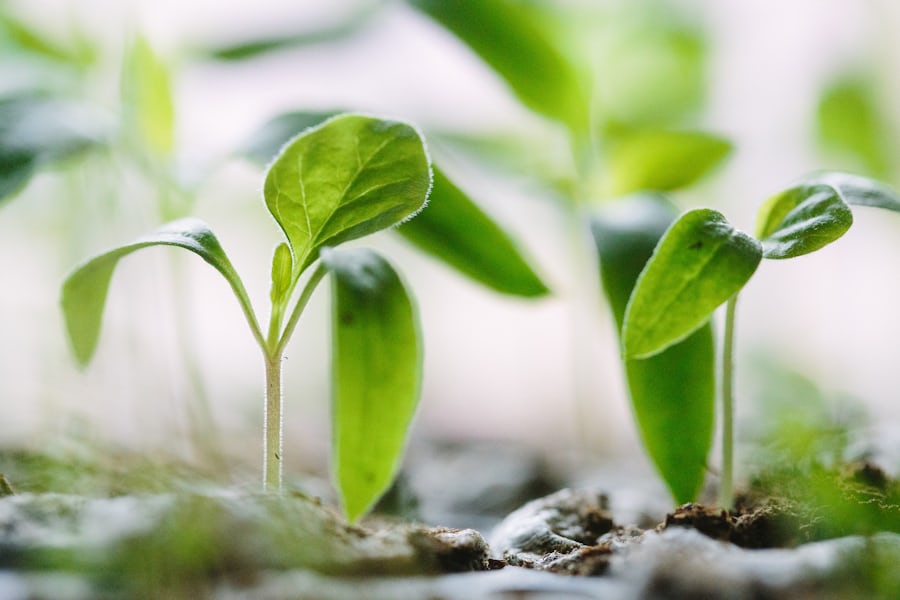
Some of the ground left by the 2023 wildfire in Cascadia is simply too steep to plant by hand. A 60-degree burn scar is slow, dangerous work for a planting crew, and there is only so much of it you can ask people to do on a rope. So this year we trialled seed pods dropped by drone instead.
The pods are seed wrapped in a coating designed to survive sitting on a bare surface and to hold off germinating until there is enough rain to give the seedling a chance. A drone can cover a slope in an afternoon that a crew could not safely reach in a week.
Early germination on the test plots is running at about 22%. We checked it the slow way, walking accessible margins of the plots and counting what came up against what was dropped, rather than trusting the figure to a model.
We want to be plain that this is not a replacement for planting. A hand-planted seedling, raised in a nursery and set in the ground with care, has a far higher survival rate than a seed dropped from the air. Where we can plant, we plant.
What the drone does is reach ground we otherwise could not touch at all. 22% germination sounds low until you compare it to the alternative on those slopes, which is nothing. A fifth of a steep burn scar starting to green over beats leaving it bare to erode.
Germinating is not surviving, and that is the number we do not have yet. We are tracking whether these seedlings make it through their first dry summer before we decide whether to scale the method up. If they do not, the technique is a curiosity rather than a tool.