Replanting the ground a wildfire took
A 2023 wildfire burned through 200 hectares of a site we had been restoring. This spring we started replanting it, with a different mix built for fire.
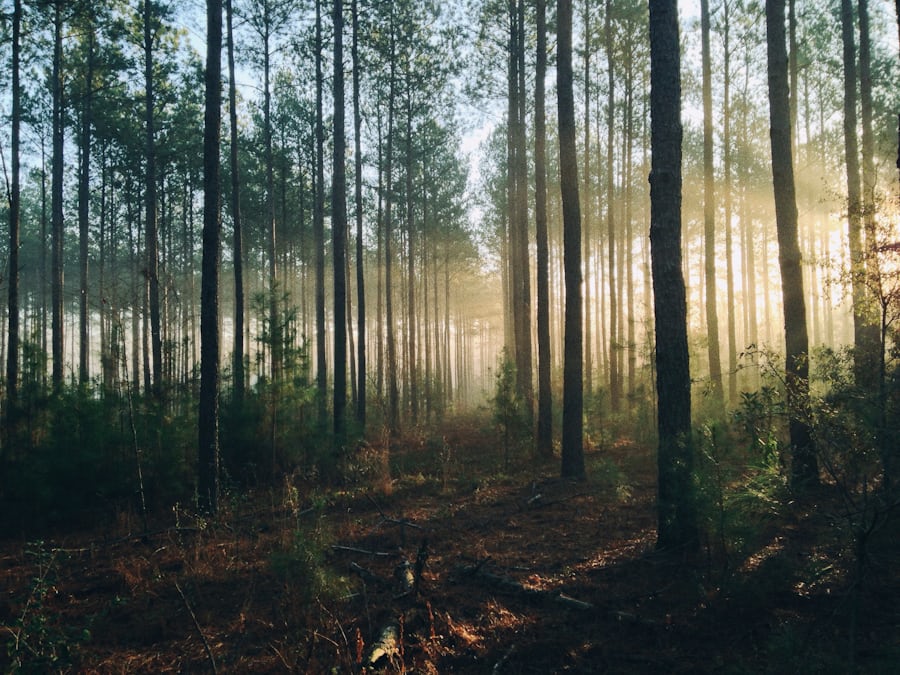
A wildfire in 2023 burned through about 200 hectares of a Cascadia site we had been restoring for years. This spring we finally started replanting it. The gap was not neglect. It was the time it takes for ground that hot to settle and for us to work out what to put back.
Watching a planting burn is hard, and there is no professional way to say otherwise. Crews who had spent years on those slopes watched a single fire take it in an afternoon. The temptation afterward is to plant the same thing straight back and hope the bad luck does not repeat.
That is not the honest response, because it was not bad luck. The climate that produced this fire is not going away, and the next dry summer will test whatever we plant. So the replanting is deliberately different from what burned.
We are using more fire-resistant species, planting at wider spacing so a fire has less continuous fuel to run through, and building breaks into the layout rather than planting one unbroken sweep. The Salish stewardship council shaped the plan, drawing on how this land was kept open with low fire long before it was logged.
The burned ground is also telling us where to plant. Some of the old trees are resprouting from the base on their own, which is a sign the soil beneath them is still alive and the roots survived. Those spots do not need us.
So we are planting around the resprouting trees rather than over them, letting the land's own recovery do the work where it can and concentrating new seedlings where the fire left nothing behind. It is slower than blanket replanting, and it will give a tougher forest.