The seed bank passed 300 native species
Our shared seed bank now holds viable seed from 312 native species across the seven landscapes, up from 180 two years ago.
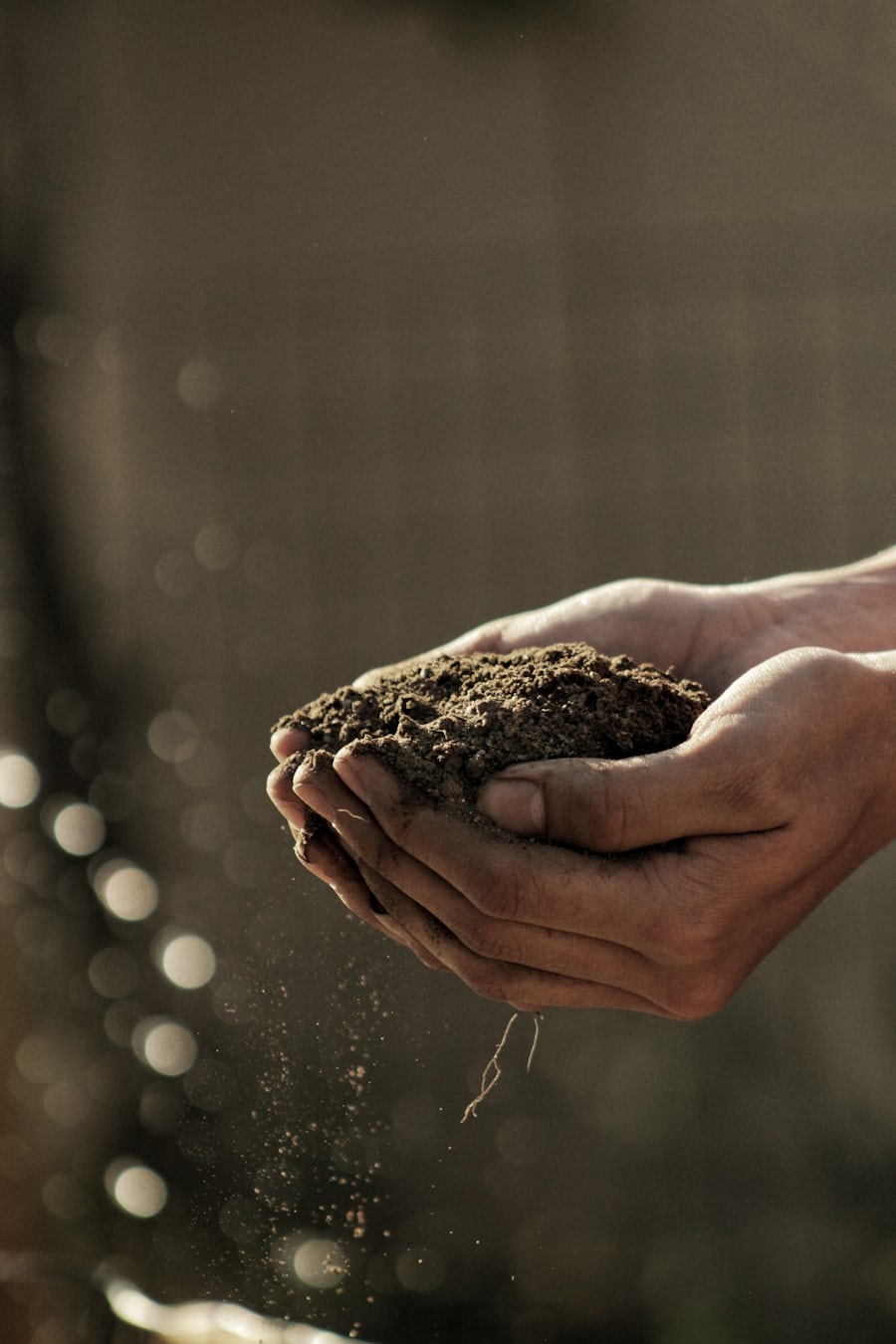
Our shared seed bank now holds viable seed from 312 native species drawn from across the seven landscapes, up from 180 just two years ago. The store sits in cold rooms with a backup set held separately, on the principle that you do not keep your only copy in one building.
A restoration project is only ever as good as the range of trees it can actually plant. Plant six fast-growing species and you get a plantation that looks green and supports very little. Plant three hundred and you start to get a forest, including the slow-growing canopy trees and the odd specialists that particular birds and animals depend on.
Most of the new entries came from local collectors, paid per verified species. Dona Marlene Souza in the Amazon has added dozens on her own, fruiting and seeding trees she has known her whole life that no commercial nursery stocks. The Sahy and Kanam cooperatives have done the same in their own landscapes.
Verification is the slow part. A seed is only worth banking if we know what it is and that it will grow, so each batch is identified, germination-tested and recorded before it counts toward the total. A jar of unknown seed is just a jar.
The hardest species to bank are the big rainforest seeds that refuse to dry without dying. Conventional cold storage works by drying seed down, and these seeds rot the moment you try. They are exactly the trees a mature rainforest is built around, so they are the ones we most want and least can keep.
We are still working on those, mostly by storing them moist and using them quickly rather than truly banking them. It is an open problem, and we would rather say so than pretend the 312 figure covers everything that matters.